Togetherfor a sustainablesolution

The Waste Management Coalition (WMC) brings together civil society organizations, independent experts and environmental activists in Lebanon to address environmental injustice in waste management and move the country from disposing of waste to managing resources: preventing, reusing, sorting, recycling and composting it, and managing whatever remains safely for people and the environment.

Waste Management Coalition
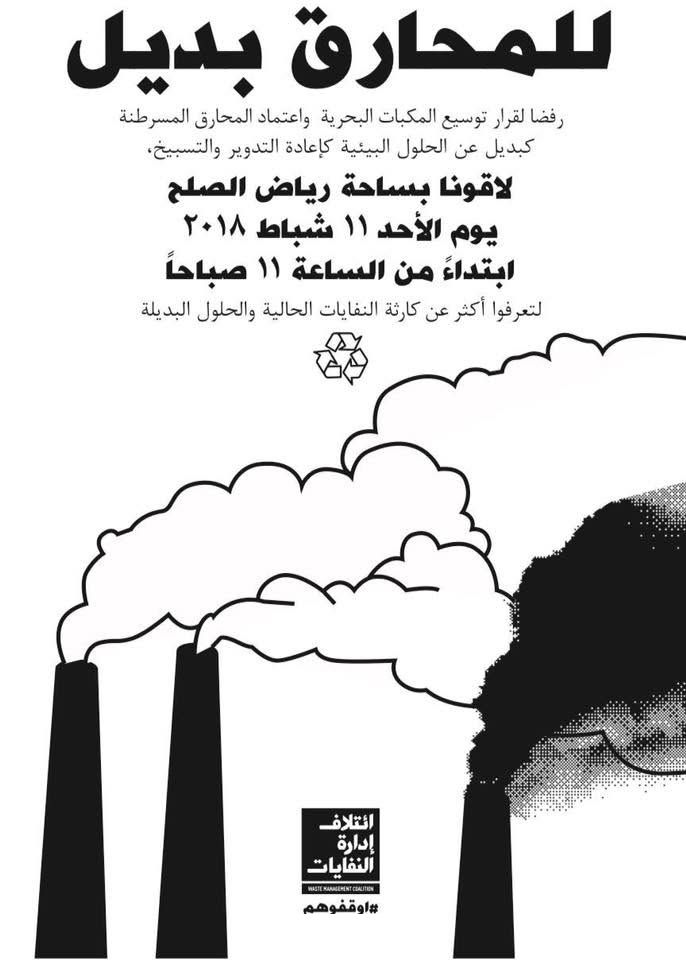
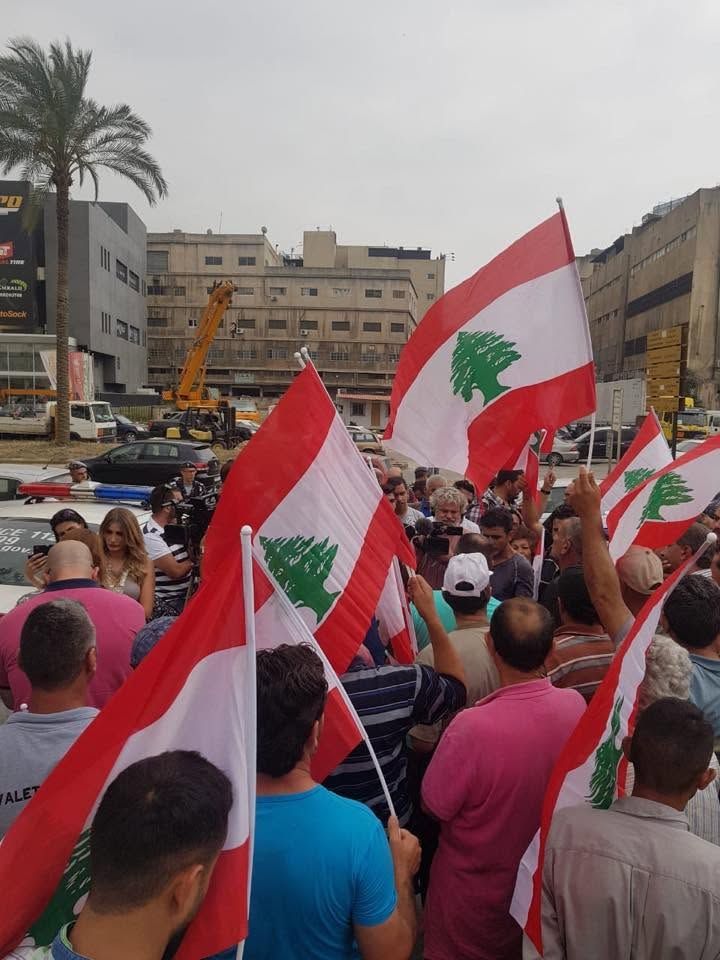
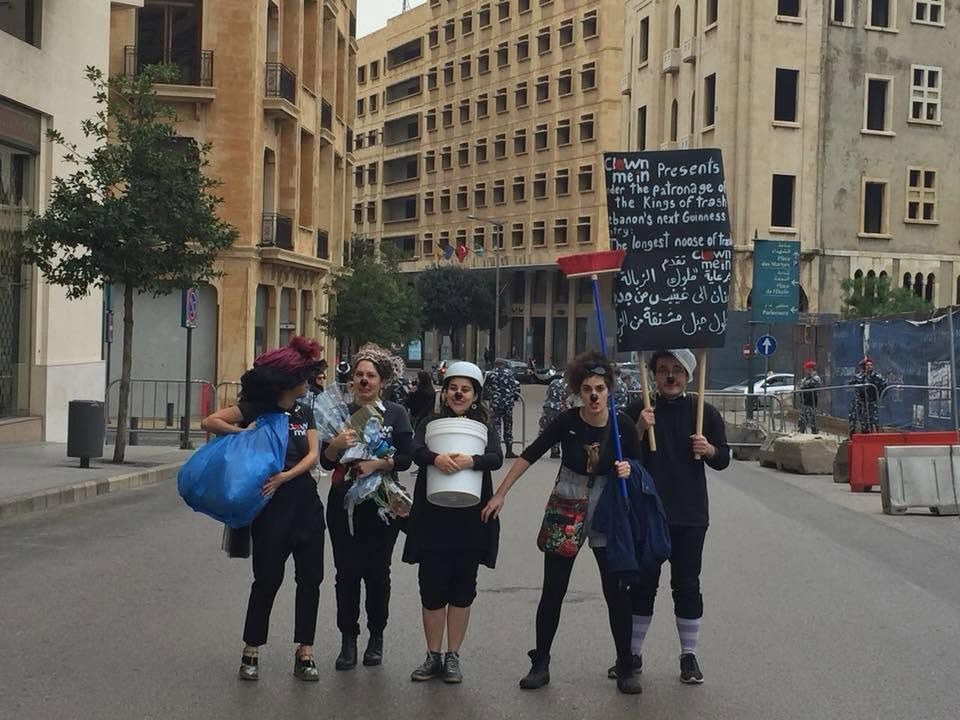
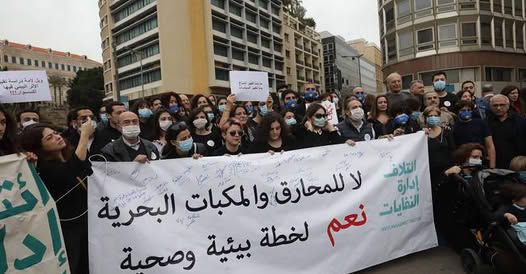
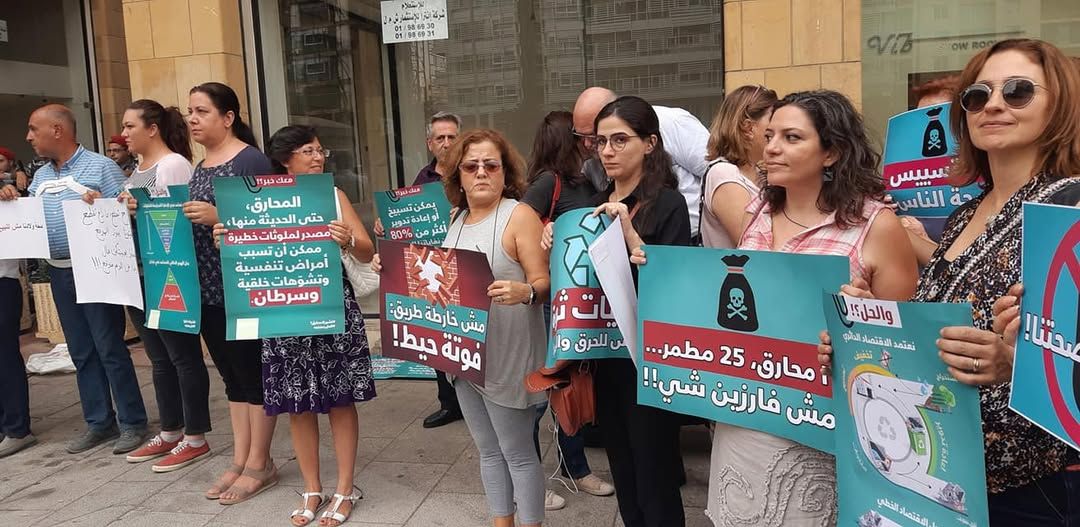
Protest against chronic waste mismanagement, 11 February 2018
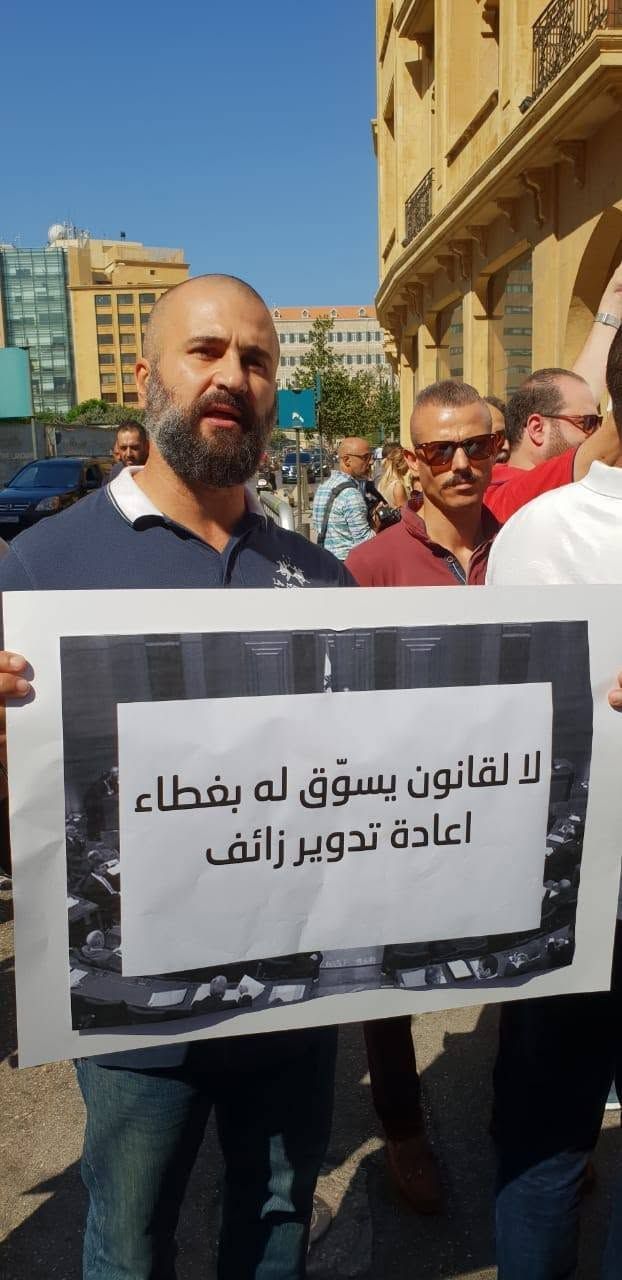
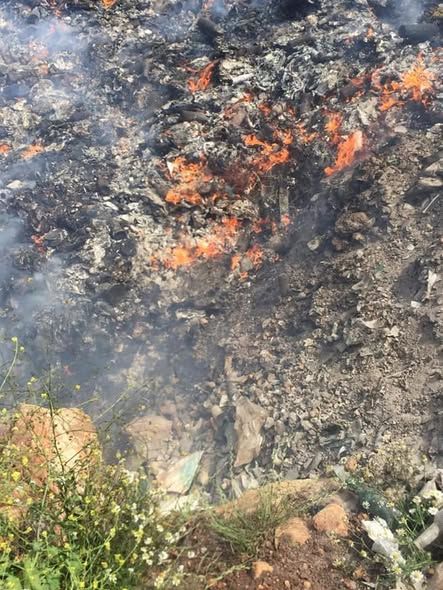
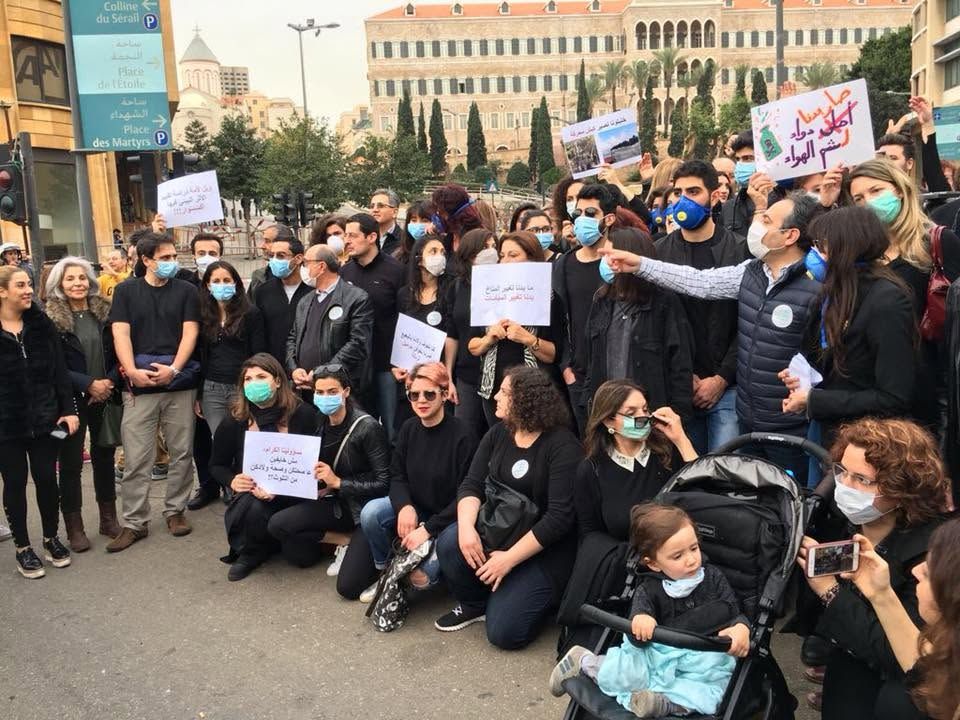
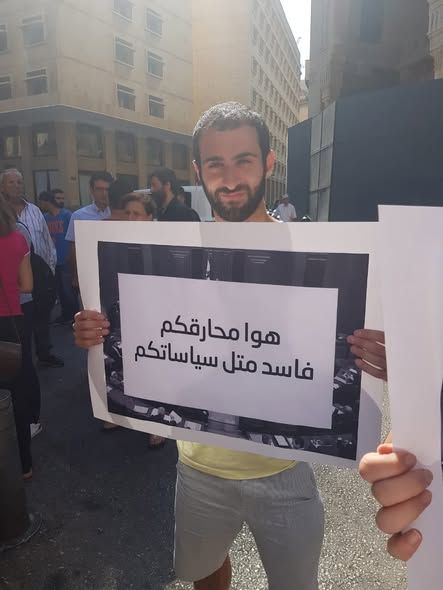
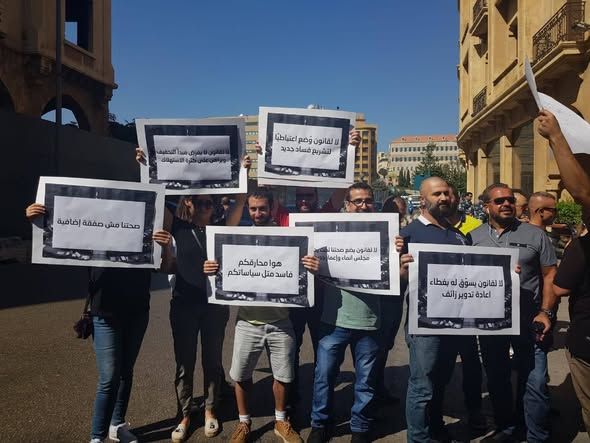
Outside parliament on the day of the waste law vote, 24 September 2018
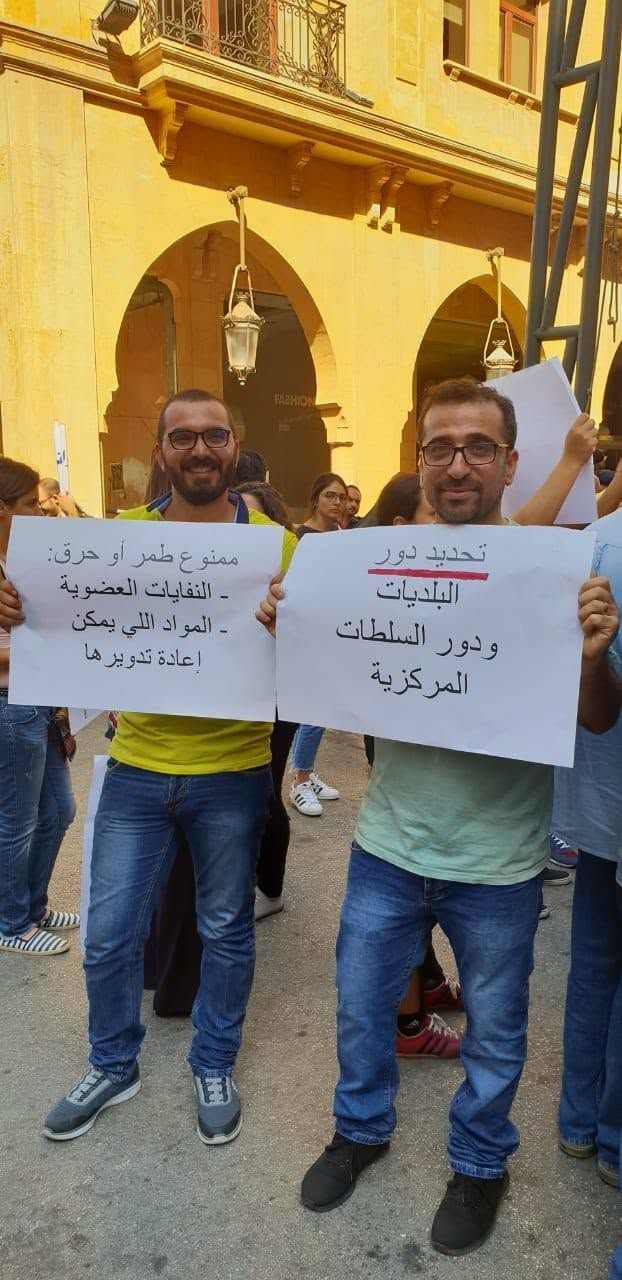
Sit-in at the Ministry of Environment, 3 September 2019
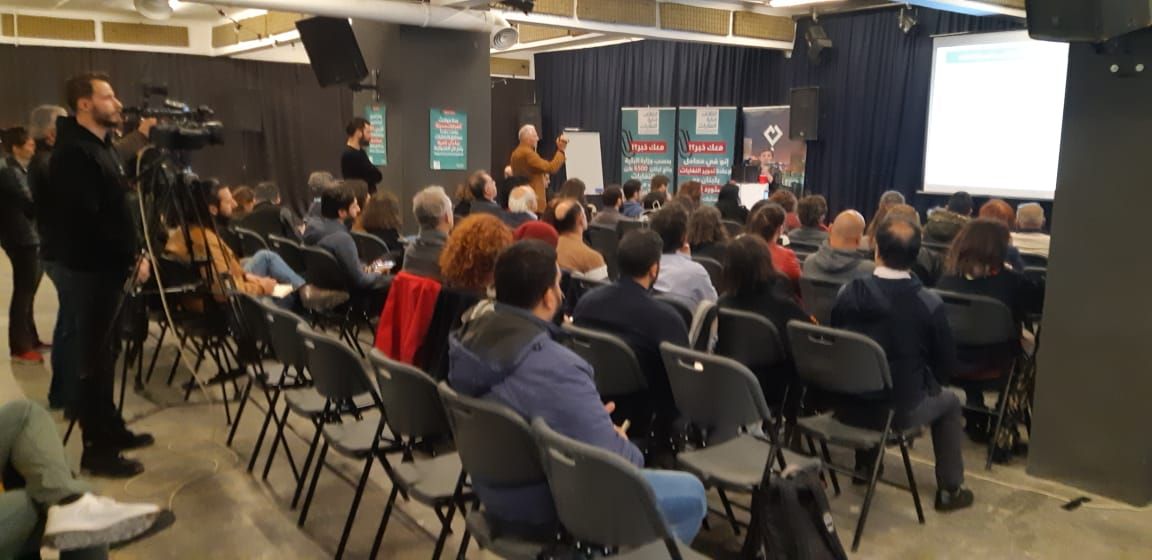
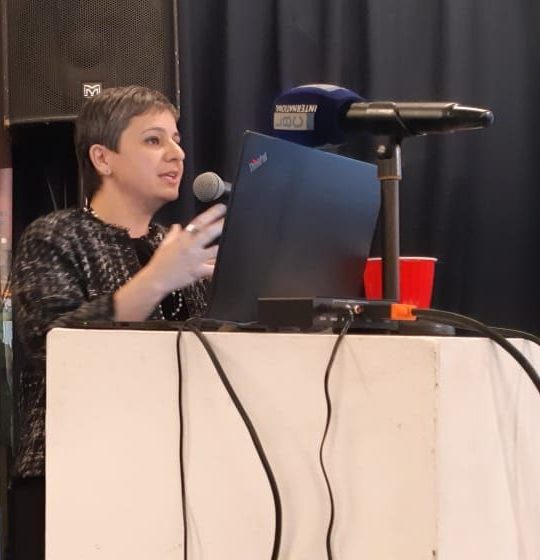
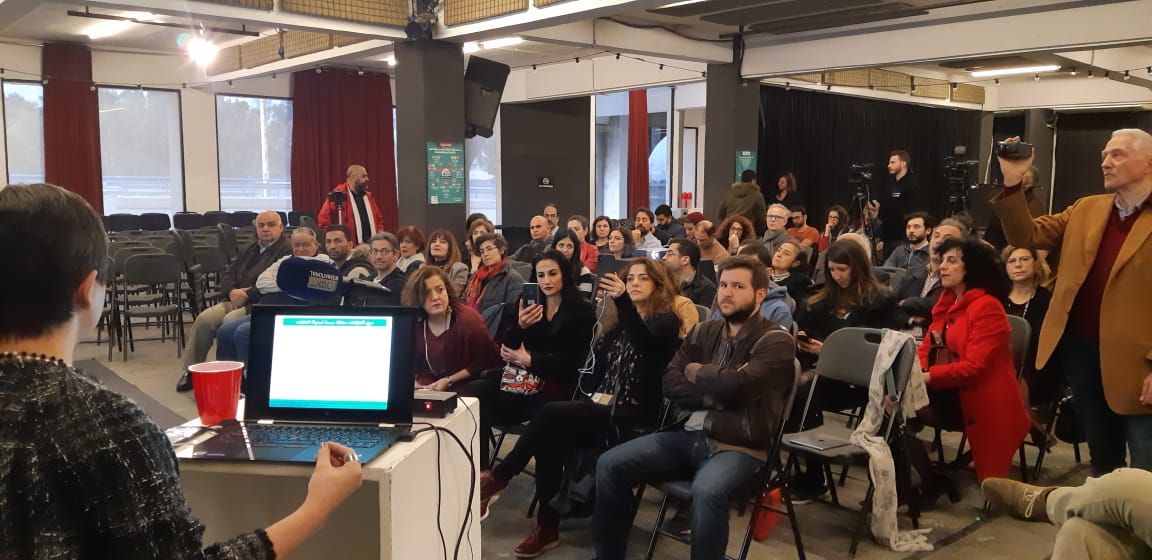
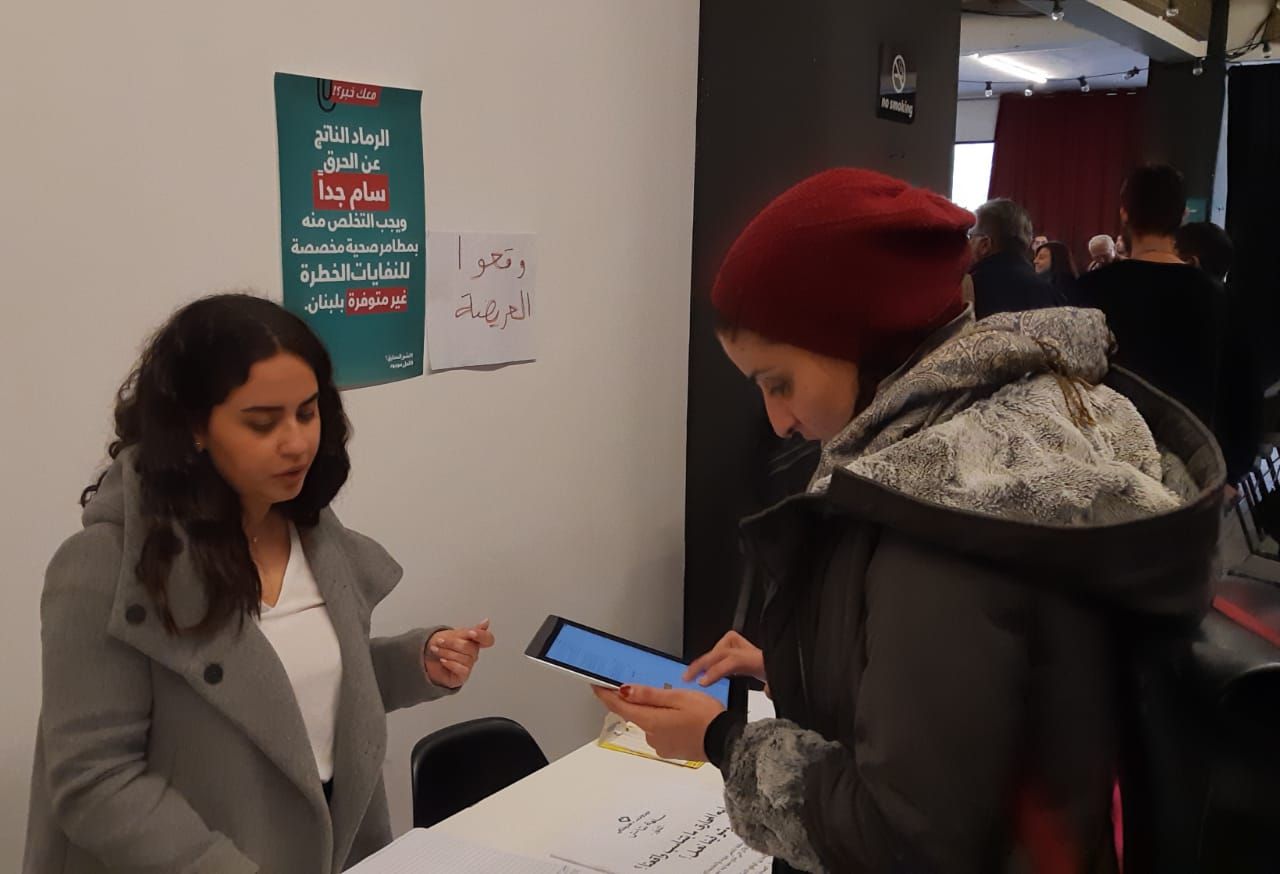
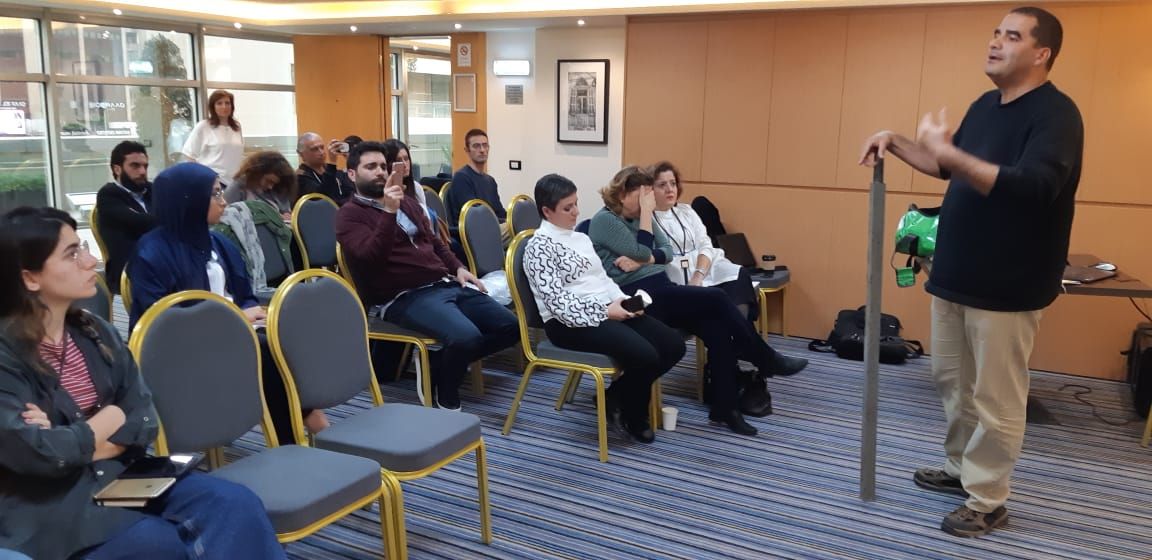
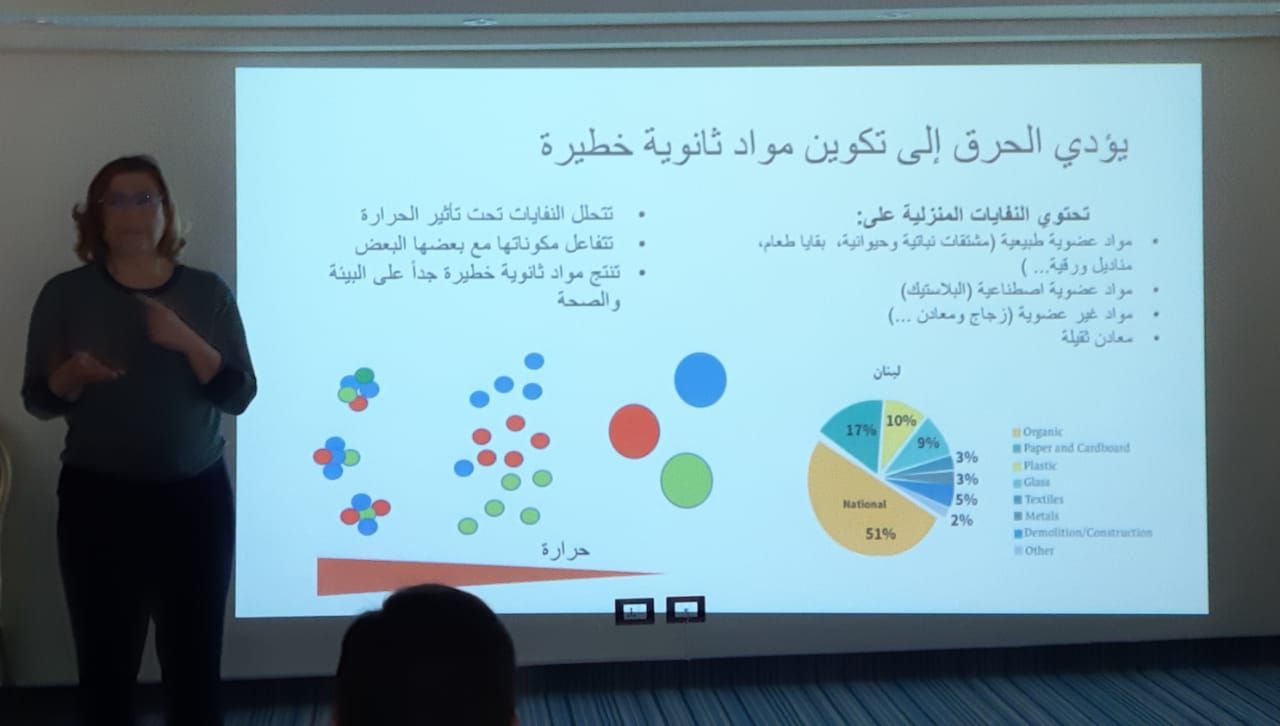
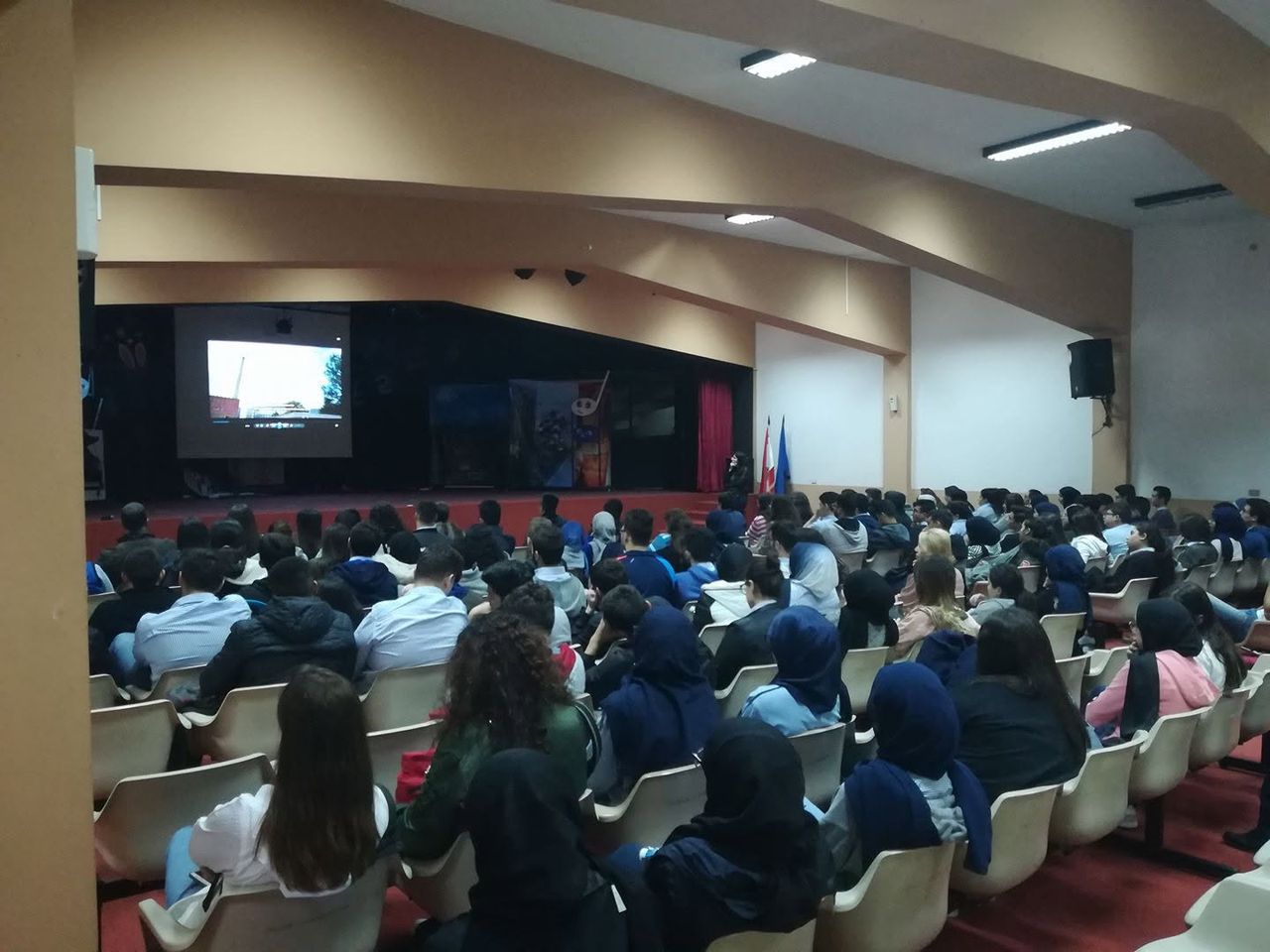
An awareness session for school students
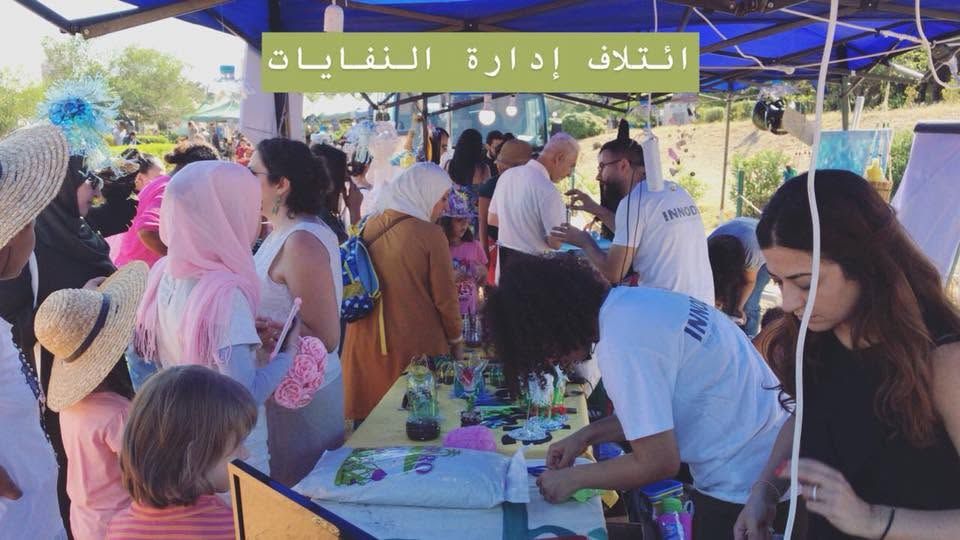
An outdoor awareness activity

More photos

Why the coalition exists

The Waste Management Coalition (WMC) was founded at the end of 2017, when Beirut Madinati called on the groups working on waste to join forces and stop the city’s plan to buy an incinerator. Today it brings together civil society organizations, independent experts, social enterprises and environmental activists, working through a horizontal structure with an elected steering committee.

Lebanon has never implemented a national waste strategy. Since the 1997 emergency plan, successive plans – in 2006, 2010, 2014, 2015 and 2019 – stayed on paper, while waste was buried without sorting, dumped on the coast and burned in the open. In 2022, almost all of the country’s waste (98.7%) still ended up in landfills or open dumps, and around 43% of it in open dumps.

Instead of investing in sorting, composting and recycling, authorities keep returning to costly and polluting shortcuts: incinerators, and now burning waste-derived fuel in cement kilns.

WMC is a registered association, «جمعية ائتلاف إدارة النفايات», under notification No. 126 of the Ministry of Interior and Municipalities (Official Gazette No. 7, 16 February 2023). Read the notification (PDF, Arabic)

Vision, mission and principles

Our vision

A Lebanon that moves from disposing of waste to managing resources: a circular economy where waste is prevented at the source, materials stay in use for as long as possible, and whatever remains is managed safely for people and the environment.

Our mission

To address environmental injustice in waste management in Lebanon and push for the transition to a circular economy.

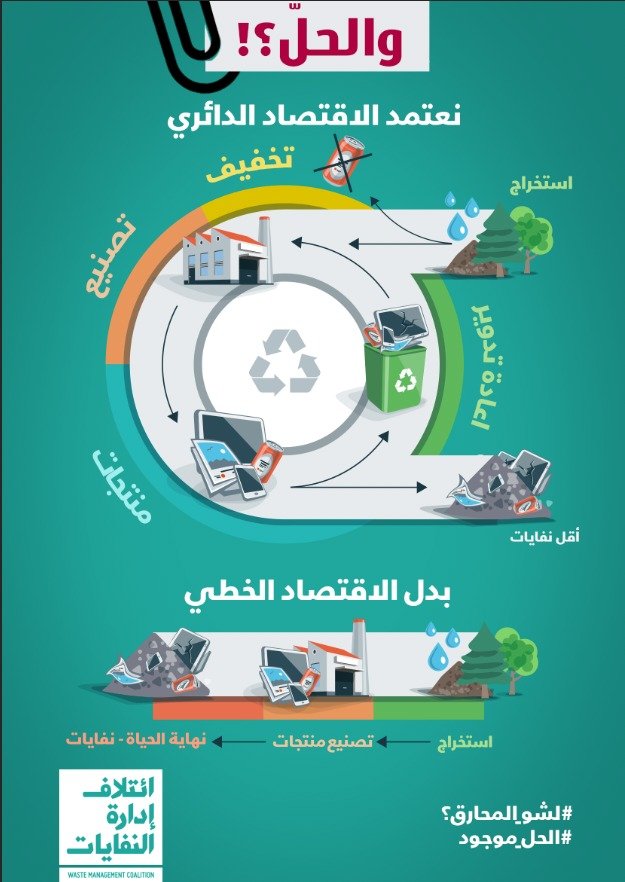
How a circular economy worksMaterials stay in use through repair, reuse and recycling; organic waste returns to the soil. Only a small residual goes to landfill.CirculareconomyEco-designProductionUse and sharingRepair, reuse,refurbishSeparatecollectionRecyclingCompost and biogasHealthy soils andfoodResidual waste:sanitary landfill,last resort
How a circular economy worksMaterials stay in use through repair, reuse and recycling; organic waste returns to the soil. Only a small residual goes to landfill.

Our principles

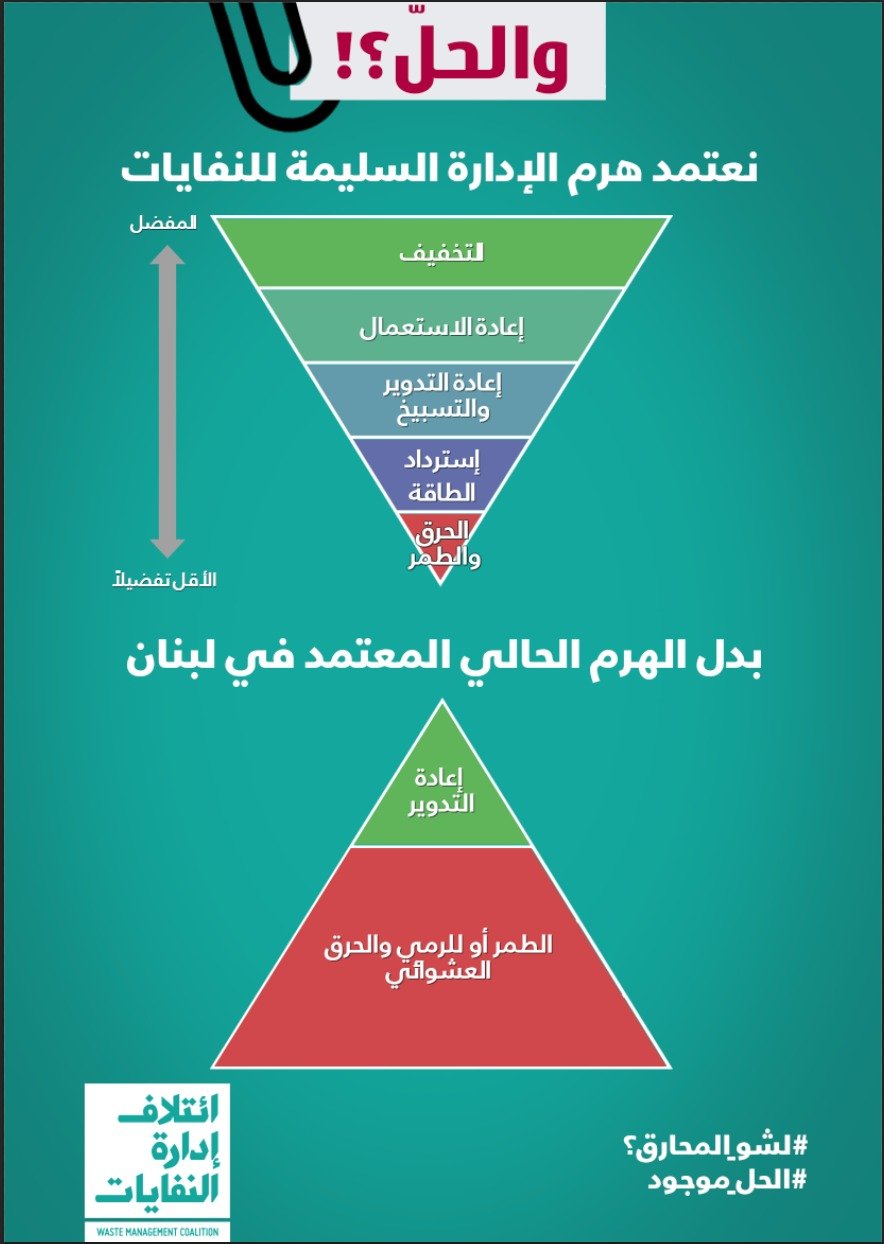
  1. The waste hierarchyPriority goes to preventing waste, followed by reuse, recycling and composting. Energy recovery and disposal are last resorts, never the basis of the system.
  2. Keeping value in circulationProducts and materials stay in use at their highest value for as long as possible, through repair, refurbishment, reuse and recycling.
  3. PrecautionWhere there is a risk of serious or irreversible harm to health or the environment, precautionary measures come first. No technology is adopted unless its impacts can be effectively controlled and monitored.
  4. Polluter pays and producer responsibilityThose who generate waste, and those who place products and packaging on the market, bear the cost of managing them at the end of their life.
  5. National leadership, local action (proximity and subsidiarity)A strong central government sets a binding national strategy and provides the legal framework, standards, oversight and support to implement it. Waste is managed as close as possible to where it is produced, at the most appropriate level, with real powers and resources for municipalities and their unions.
  6. Environmental and social justiceThe benefits and burdens of waste management are shared fairly. No community carries a disproportionate burden, and workers in the informal sector are included in the transition.
  7. Evidence-based, participatory planningDecisions on plans, sites and technologies rest on reliable data, life-cycle thinking, feasibility studies and environmental impact assessments, and are made with the real participation of municipalities, affected communities and experts.
  8. Good governanceTransparency, public participation, access to information, accountability and respect for the rule of law, including Lebanon’s environmental laws and the international conventions it has ratified.

Lebanon’s waste in numbers

What the official figures say about Lebanon’s waste – and where it ends up.

5,600

tonnes a day

Household waste generated in 2022, down from about 7,340 tonnes a day in 2018, before the crisis.

7.9%

is treated

In 2023, only 440 of the 6,390 tonnes a day of existing treatment capacity was actually operating.

98.7%

ends up in landfills or dumps

In 2022 – up from 77% in 2018, when most treatment plants were still running.

1,000+

open dumps

Across Lebanon in 2023, up from 941 in 2017.

Around 90% of our waste can be composted or recycled

Composition of household waste in LebanonOrganic: 70%Plastic: 12%Paper and cardboard: 5%Glass: 4%Metals: 2%Other: 7%70%organic
Share of household waste (2021 data)
Organic70%
Plastic12%
Paper and cardboard5%
Glass4%
Metals2%
Other7%

Organic waste – food scraps and garden waste – makes up about 70% of what Lebanese households throw away, up from around 50% before the economic crisis. It can become compost or biogas. Most of the rest (plastic, paper, glass and metal) can be sorted and recycled. Burning this waste destroys resources, and wet organic waste burns poorly.

Where our waste goes today

3,180 tonnes a day

to 8 sanitary landfills, all operating beyond their design capacity.

2,350 tonnes a day

to open dumps, burned in the open or littered.

2022 figures. Less than 1.5% of our waste avoids landfills and dumps altogether.

What the state has committed to

The National Integrated Solid Waste Management Strategy (2024) and its master plan set clear targets:

  • 2030End open dumping and burning of waste
  • 2033Reuse and recycle at least 20% of waste
  • 2043Reuse and recycle at least 50% of waste
  • 2043Landfill no more than 45% of waste

The investment needed is estimated at about $1.2 billion between 2024 and 2043.

We support these targets and call for them to be implemented. But we oppose the strategy’s reliance on energy recovery from waste, including producing and burning waste-derived fuel, which locks in burning instead of prevention and recycling.

Sources: National Integrated Solid Waste Management Strategy (CDR/World Bank, December 2024); National ISWM Master Plan with financial analysis (November 2024); Lebanon Solid Waste Roadmap 2023–2026 (Ministry of Environment/World Bank). Chart shares are rounded.

How we assess any proposed solution

Environmental impact
Limited harm to the environment
Health impact
Lowest possible risk to public health
Social impact
Understood and accepted by the communities affected
Land use
Needs as little land as possible
Financial feasibility
Low investment and running costs, with potential returns
Technical complexity
Simple and adaptable technology
Local expertise
The skills needed are available in Lebanon
Institutional complexity
No major legislative or administrative overhaul required

Our goals

We work for an integrated waste management system that moves Lebanon from disposing of waste to managing resources, in line with the circular economy.

  1. ReduceMost preferred
  2. Reuse
  3. Recycle and compost
  4. Energy recovery (biogas)
  5. DisposalLast resort
The waste management hierarchy

Design out waste and pollution

  1. Prevent waste by designEco-design and less packaging, phasing out unnecessary single-use products, extended producer responsibility, sustainable public procurement, and import policies that limit products destined for landfill.

Keep products and materials in use

  1. Extend the life of productsRepair, refurbishment, reuse and sharing: repair shops and repair cafés, second-hand markets, take-back schemes and the right to repair.
  2. Recover materials at their highest valueSorting at source and separate collection in every municipality, local recycling industries that create green jobs, a fair place for informal recyclers, and markets for secondary materials.

Regenerate nature

  1. Return organic matter to the soilComposting and anaerobic digestion for organic waste (about 70% of what we throw away), with quality standards and agricultural markets for compost, cutting methane from landfills.
  2. Restore damaged ecosystemsClose and rehabilitate open dumps, end open burning, protect the coast, rivers and groundwater, and send only final residues to sanitary landfills – no incinerators and no burning of waste-derived fuel.

Enable the transition

  1. Strong institutionsFull implementation of Law 80/2018, clear roles for the Ministry of Environment and municipalities, timely municipal funding, and cooperation between municipalities.
  2. Fair and sustainable financingTransparent cost recovery, polluter pays, and economic incentives that reward reduction, reuse and recycling.
  3. Transparency and accountabilityStrategic and project-level environmental assessments, public monitoring data, access to information and enforcement of the law.
  4. An informed and engaged societyEducation and awareness on reducing, reusing, repairing, sorting and composting, and public participation in every waste decision.

How we work

Legal action

  • Appeals to the State Council against three Cabinet decisions: adopting incinerators, expanding the Costa Brava landfill, and the waste roadmap. These were filed with Lebanon Eco Movement, Recycle Lebanon and citizen groups.
  • Two formal warnings, delivered by notary, to Beirut municipal council members against adopting incineration.
  • A petition to the urgent-matters judge in Beirut (August 2020) to stop hazardous waste from the port explosion being mixed with ordinary waste.
  • Support to groups in Tripoli appealing against the mismanagement of the Tripoli dump, and to citizens filing complaints about open burning.

Policy review and oversight

  • Written reviews of draft laws, decrees and strategies, including the waste management law, cost recovery and the RDF decree, shared with ministers and members of parliament.
  • Requests to the Ministry of Environment and CDR for impact assessments and monitoring data on landfills and incinerators.
  • Participation in technical committees on the national strategy and roadmap.

Public campaigns

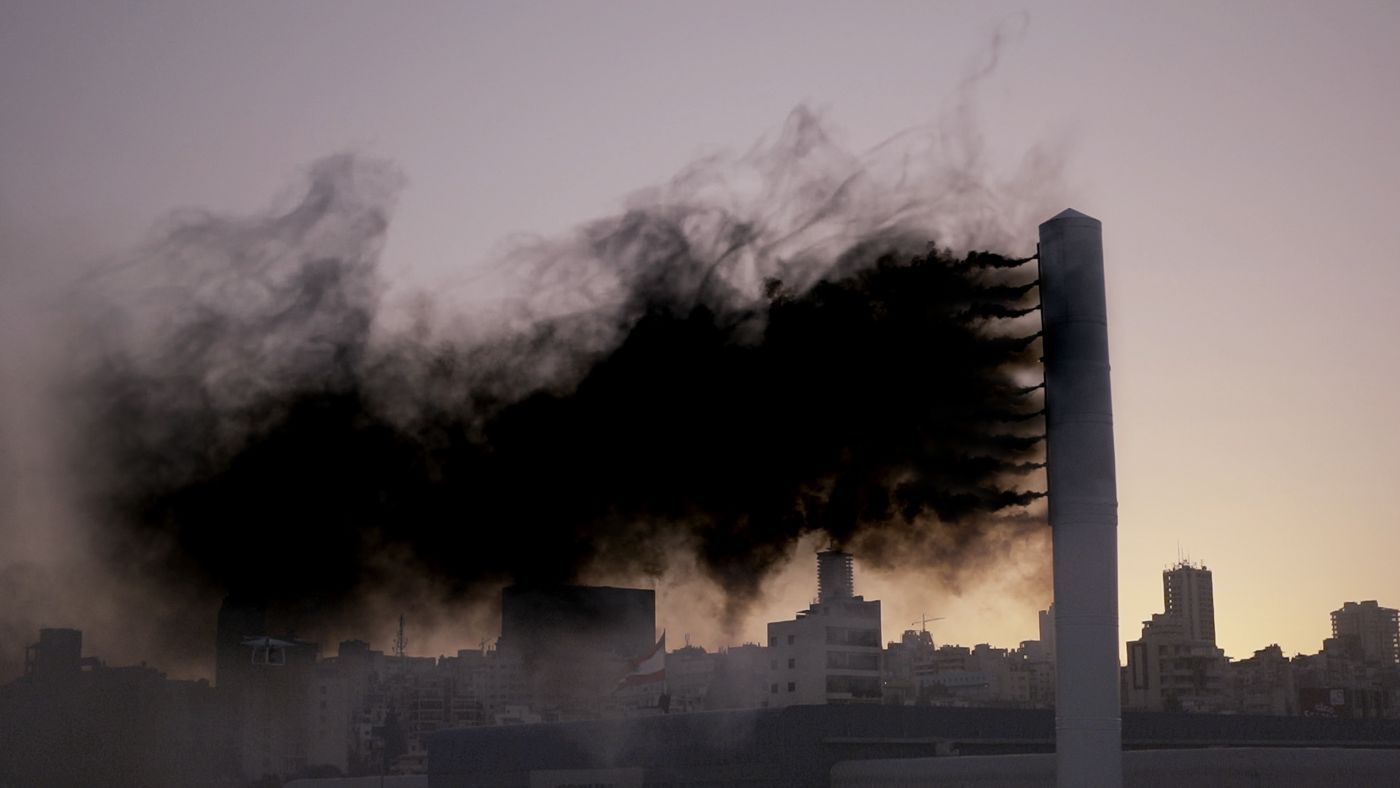
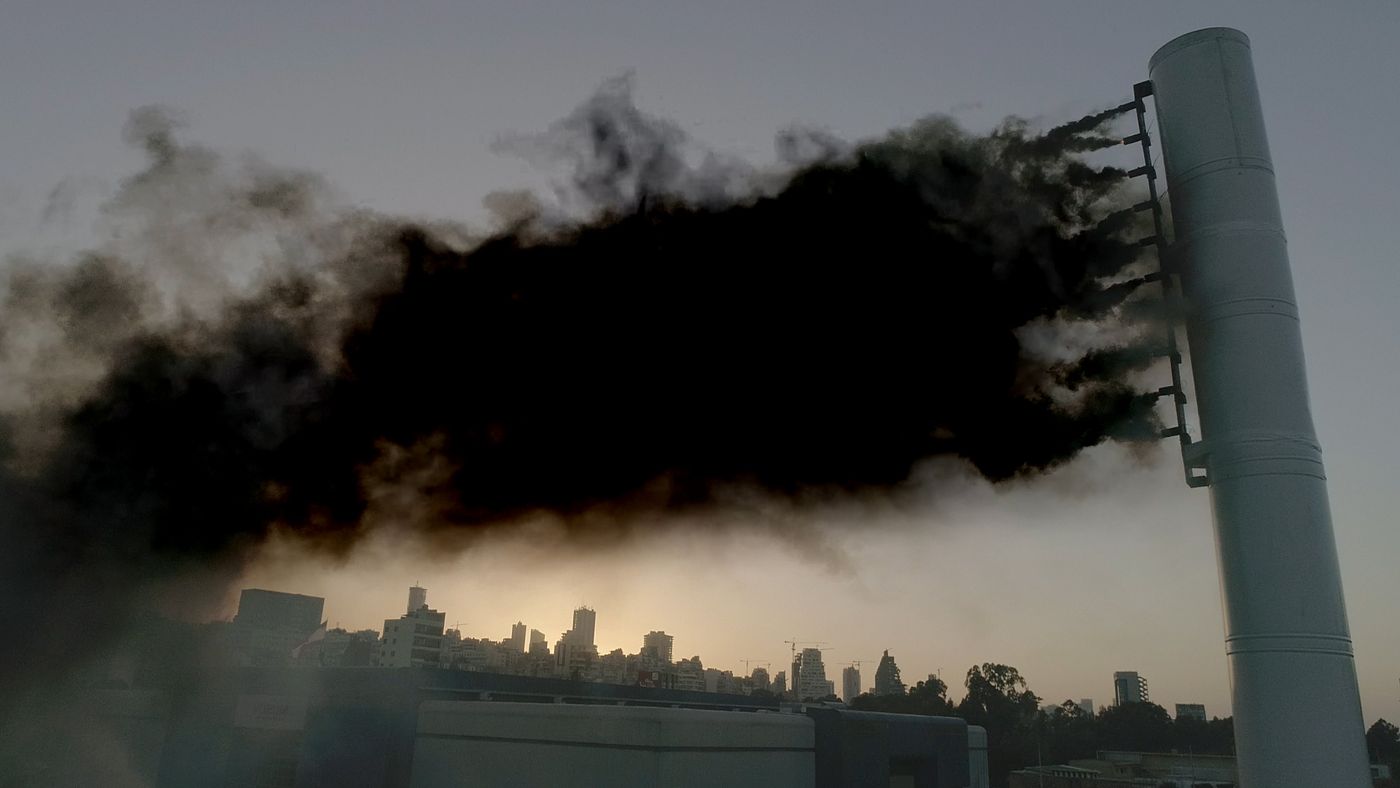
  • 7ara2to Samana – “You burned our sky” (22 January 2019): a 12-metre flag of black, non-toxic smoke raised in Karantina, near the site planned for Beirut’s incinerator, with posters across Beirut and a petition at StopTheIncinerators.me.
  • Tadlil, exposing misleading claims about Beirut’s incinerator plan.
  • #TheSolutionExists, awareness posters on incineration, the waste hierarchy and the circular economy.
  • A sit-in at the Ministry of Environment (3 September 2019) with environmental groups and parties against the government’s waste roadmap, “the roadmap to the abyss”.
  • Election campaigns on parliament’s role in waste legislation, a film competition with Beirut DC, and an art exhibition.
  • Joint campaigns with Greenpeace MENA against expanding the Jdeideh landfill (October 2025) and against burning waste-derived fuel in cement kilns (2026).

Solutions on the ground

  • A sorting-at-source pilot in Beirut’s Batrakieh neighbourhood (Madinati Tafroz), with a published sorting guide.
  • Training for municipalities with Democracy Reporting International on planning integrated waste management under administrative decentralisation (2018), and training and awareness sessions for municipalities in different regions of Lebanon.
  • #WhereTheresAWill (2020): showcasing municipalities that succeeded in reducing, sorting and composting, with coalition volunteers on hand to help municipalities and activists.
  • Awareness sessions and composting workshops, including at the REEF festival in Qobayat (2021).
A flag of black smoke rising over Beirut

22 January 2019

7ara2to Samana – “You burned our sky”

The coalition raised a 12-metre flag of black smoke in Karantina, near the site planned for Beirut’s incinerator, to show the black landscape that would surround the city if incineration were adopted amid the poor management of public facilities in Lebanon. The smoke was non-toxic – unlike what can come out of an incinerator stack.

Posters across Beirut and an online petition called for a healthy and safe future for Lebanon.

Campaign posters
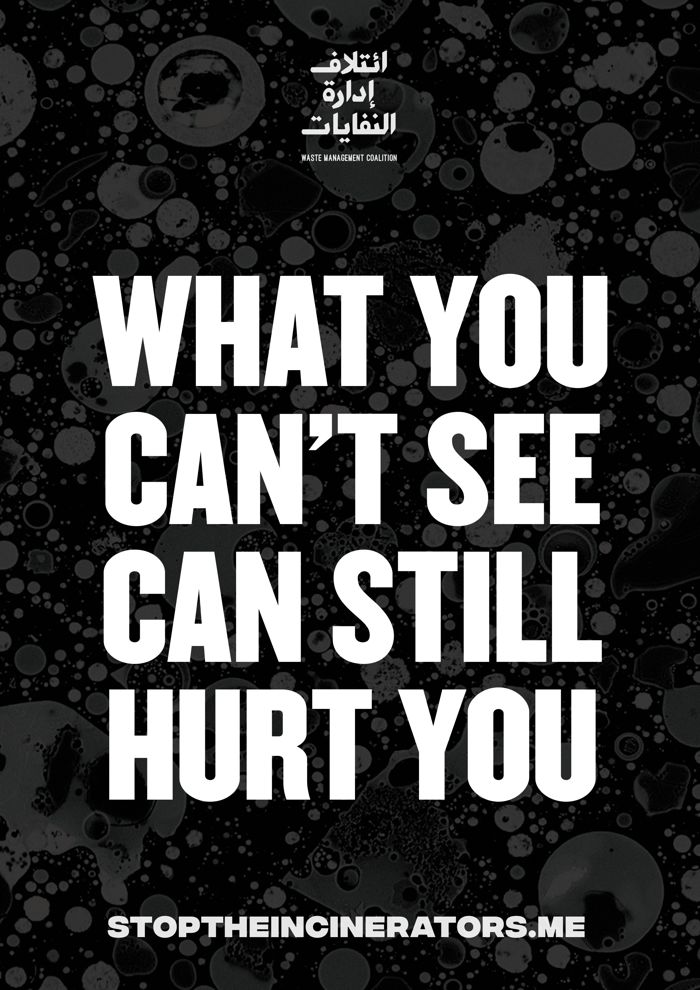
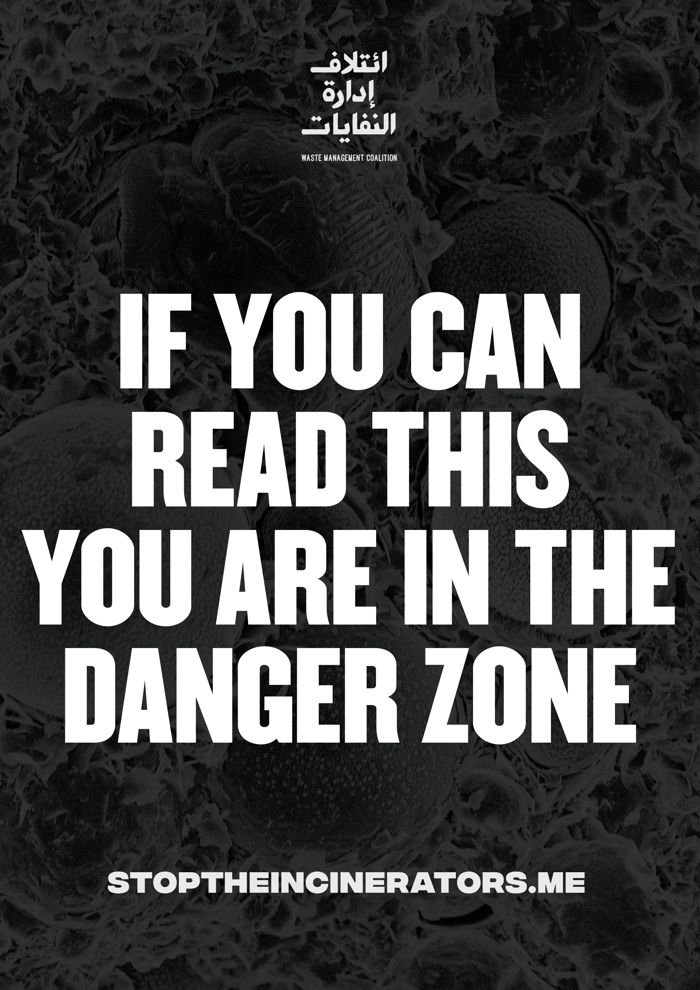
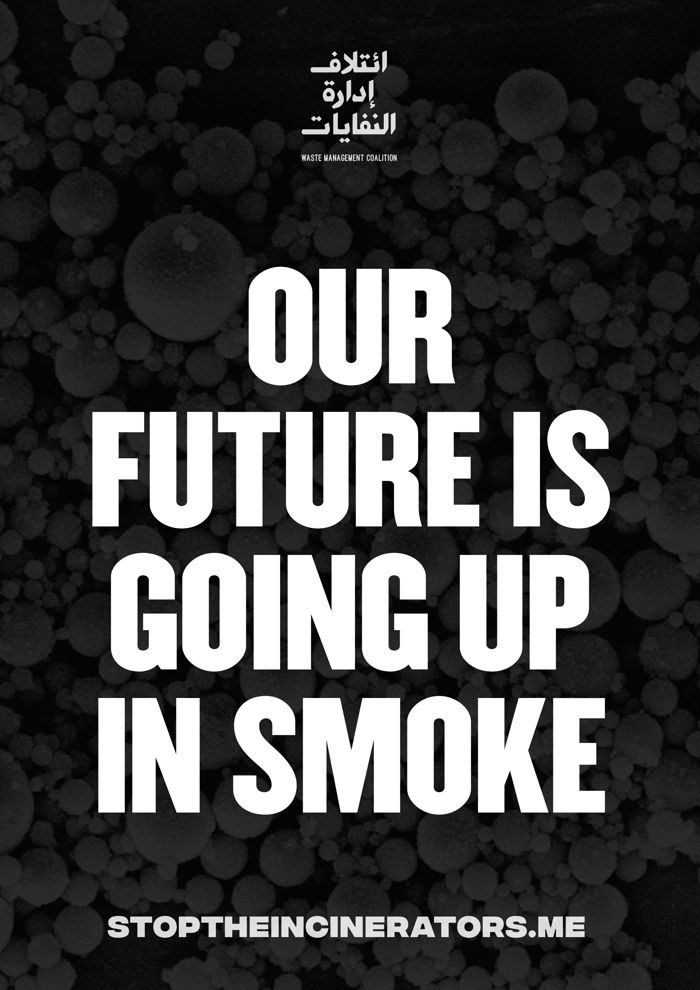
What you can’t see can still hurt you If you can read this you are in the danger zone Our future is going up in smoke

For municipalities

Where there’s a will, there’s a way

Municipalities and neighbourhoods across Lebanon have shown that sorting at source and local treatment work. Contact us and we’ll connect you with the people behind them:

  • Khirbet Selm Video 1 Video 2Waste management project – Dr. Ibrahim Houeily
  • Beit Meri VideoZero Waste project – Eng. Ziad Abi Chaker
  • Arab Salim VideoSorting at source – Dr. Zeinab Moukalled, Nidaa al-Ard
  • Deir Al Zahrani VideoWaste sorting – Kassem Toufaily, municipal environment committee
  • Zukak al-Blat, Beirut VideoNeighbourhood project – Eng. Nahida Khalil, Beirut Madinati
  • Bikfaya
  • Douar Video

4 August 2020

Hazardous waste from the Beirut port explosion

As volunteers and organizations cleared rubble from damaged buildings after the explosion, the coalition warned that some of the debris contained asbestos.

Asbestos can be found in older buildings in insulation, tiles, pipes and corrugated roofing. Its fibres are dangerous to breathe, so the material must be handled with great care.

The coalition proposed a mechanism for managing asbestos-containing waste, and on 18 August 2020 went to the urgent-matters judge to stop the mismanagement of explosion waste.

Our actions over the years

Key protests, campaigns and actions the coalition has led or joined since it was founded.

  1. Late 2017

    Founding, and a warning to Beirut municipality

    The coalition was formed to stop Beirut’s plan to buy an incinerator, and sent the municipal council a formal warning to reverse its decision.

  2. 26 January 2018

    The #StopThem campaign

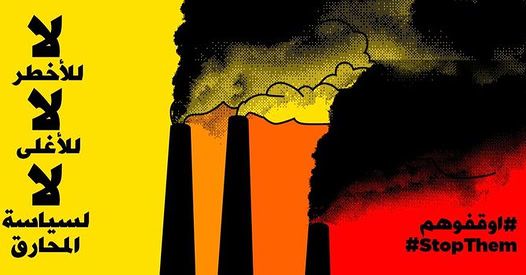
    “No to the most dangerous, no to the most expensive, no to the incineration policy”: a campaign with the #Tadlil videos and expert Q&As on incineration.

  3. 11 February 2018

    Protest: “No to chronic failure in waste management”

    At Riad el-Solh Square, against expanding the coastal dumps and adopting incinerators, and for a healthy, sustainable solution. “There is an alternative to incinerators.”

  4. 8 March 2018

    Appeal against the Costa Brava expansion

    An appeal to the State Council against the government’s decision to expand the Costa Brava landfill.

  5. May 2018

    “Candidates for or against incinerators”, and the fishermen

    During the parliamentary elections, we published candidates’ public positions on incineration so voters could hold them to account. We also stood with fishermen who lost their livelihoods to the coastal dumps (24 May).

  6. 24 September 2018

    At parliament, against the waste law as drafted

    After an open letter to every MP with our comments on the bill (21 September), we gathered outside parliament on voting day to demand a law that protects health and bans burning and indiscriminate landfilling.

  7. October 2018 – July 2019

    #StopBeirutIncinerator

    A campaign against Beirut Municipality’s incinerator project: exposing misleading claims, letters to council members, a petition, and a sit-in on 3 July 2019. In November 2018 we also opposed an urgent bill letting private companies build waste-to-energy plants.

  8. 30 November 2018

    Training municipalities in waste planning

    A conference and training with Democracy Reporting International on “The role of municipalities in solid waste management: planning integrated management under administrative decentralisation”, attended by municipalities from across Lebanon, followed by sessions for municipalities in several regions.

  9. 22 January 2019

    7ara2to Samana – “You burned our sky”

    A 12-metre flag of black, non-toxic smoke in Karantina, posters across Beirut, and a petition against incineration.

  10. 3 September 2019

    “The roadmap to the abyss”

    After a video series, we held a sit-in at the Ministry of Environment with environmental groups and parties: “No to a haphazard waste roadmap, no to incinerators and dumps – yes to a scientific plan that protects our environment and health.”

  11. October 2019

    “A waste management scandal”

    Two videos exposing the Cabinet decision of 27 August 2019 to adopt 3 incinerators and 25 landfills, at a cost of over $1 billion and without studies. They were watched more than 50,000 times.

  12. November – December 2019

    “The environment rises up”

    During the October uprising, protesters built a bed out of waste with the words “nap time is over” (24 November). We then marched from Martyrs’ Square towards parliament against dumping in the sea and incinerator deals, and filed a report with the judiciary on daily waste burning at 150+ sites.

  13. 12 January 2020

    Art exhibition: “A revolution against waste mismanagement”

    A one-day art exhibition with artists and volunteers, at KED in Karantina.

  14. May – July 2020

    “Burning waste is a crime” and #WhereTheresAWill

    A live session with a lawyer and two experts on waste burning, a call for volunteer lawyers to fight it, and a campaign showcasing municipalities that succeeded in reducing, sorting and composting.

  15. August 2020

    After the port explosion

    A proposed mechanism for rubble and asbestos-containing materials (12 August), and a petition to the urgent-matters judge to stop hazardous waste being mixed with ordinary waste (18 August).

  16. 2021

    Access to information, and art for the environment

    Formal requests to the Ministry of Environment and CDR about the risks of the Tripoli dump (February), a short-film competition with the REEF festival and Beirut DC, and talks and composting workshops in Qobayat (September).

  17. 2024 – 2025

    In the public debate, and with Greenpeace

    A call for safe solutions for war rubble (December 2024), rejecting the Environment Minister’s remarks on incinerators (February 2025), a screening of the documentary “An Incinerator for Beirut?” (March 2025), a “To burn or not to burn?” session with REEF and Souk el Tayeb, and a joint statement with Greenpeace against expanding the Jdeideh landfill (October 2025).

  18. 2026

    Against imposing waste-derived fuel

    A campaign with Greenpeace against a draft decree that would impose burning waste-derived fuel in cement kilns, with detailed comments on the draft. On the eve of the Cabinet session on waste (29 October), we called for rejecting any return to incinerators and for a realistic plan built on existing plants and sorting at source.

How to report waste violations

Burning waste and dumping it indiscriminately are crimes under Lebanese law, and they harm our health and our children’s. Every citizen has the right to report them, and the authorities have a duty to act.

What you can report

  • Burning waste in the openLaw 80/2018 (Art. 7), Decree 5605/2019 (Art. 2), Law 444/2002 (Arts. 24 and 25)
  • Dumping waste in valleys, rivers, the sea or by the roadsideLaw 80/2018 (Art. 7), Decree 5605/2019 (Art. 2), Water Code 77/2018
  • Waste piling up in the street, uncollectedMunicipal Act (Art. 74: cleaning, removing filth and protecting public health)
  • Sorted waste mixed together again at collectionDecree 5605/2019 on sorting at source
  • Medical or hazardous waste thrown out with household wasteDecree 13389/2004 (healthcare waste), Decree 5606/2019 (hazardous waste)
  • Smoke, odours or leachate escaping from a dump or landfillLaw 444/2002 (Art. 24), Ministry of Environment decision 29/1 of 2024 on landfills
Waste burning in the open

The steps

  1. Document it Take photos or video, and note the exact date, time and location, and what kind of waste it is.
  2. Go to the municipality Ask the mayor to stop the violation immediately, in person or in writing (template below). The mayor is responsible for public health, cleaning, fire prevention and pollution control (Municipal Act, Art. 74), and has a municipal police force. If the municipality itself breaks the law, the mayor and council members are personally liable (Law 80/2018, Art. 36).
  3. Complain to the Ministry of Environment Through the online complaint form the Ministry launched on 28 October 2025 (Ministry announcement). Under Law 444/2002, Art. 27, the local authority warns the violator and informs the Ministry, and the Minister of Environment can stop the activity.
  4. Report to the Internal Security Forces Through the “Balligh” service on their website (choose “violation of laws and regulations”), or call 112 in an emergency.
  5. Active fire? Call Civil Defence on 125 immediately.
  6. If the violation continues A report can be filed with the environmental public prosecutor of the governorate (Law 251/2014). Contact us at [email protected] and we’ll help.

Where to report

Municipality

The first authority responsible locally

Ministry of Environment

Online environmental complaints

File a complaint

Internal Security Forces

“Balligh” service · emergency 112

Balligh service

Civil Defence

For active fires

125

Waste Management Coalition

[email protected]

Email us

Under Law 80/2018, dumping, burying or burning waste outside licensed facilities is punishable by six months to three years in prison and/or a fine, doubled for repeat offences.

Template letter to the municipality (in Arabic)
حضرة رئيس بلدية ................ المحترم،

الموضوع: طلب وقف [حرق / رمي] النفايات في [الموقع]

نحيطكم علماً بأنه بتاريخ ..../..../........ وعند الساعة ........ جرى [حرق / رمي] نفايات في [الموقع بالتفصيل]، ونرفق صوراً وفيديو يوثّقان ذلك.

إن هذا الفعل ممنوع بموجب المادة ٧ من القانون رقم ٨٠/٢٠١٨ (الإدارة المتكاملة للنفايات الصلبة)، ويعرّض صحة السكان وسلامتهم للخطر. وبحسب المادة ٧٤ من قانون البلديات، تقع على البلدية مسؤولية حماية الصحة العامة والوقاية من الحريق ومنع التلوث.

لذلك نطلب منكم وقف هذه المخالفة فوراً، ورفع النفايات بطريقة سليمة، واتخاذ ما يلزم لمنع تكرارها، وإعلام وزارة البيئة وفق المادة ٢٧ من القانون رقم ٤٤٤/٢٠٠٢.

مع الاحترام،
الاسم: ................   الهاتف: ................   التاريخ: ................

This is general guidance, not legal advice. The laws mentioned are available in the legal library.

#TheSolutionExists campaign

Awareness posters from our campaign against incineration (in Arabic). Select a poster to see it full size.

The waste hierarchy we call for, versus Lebanon’s reality
A circular economy instead of a linear one
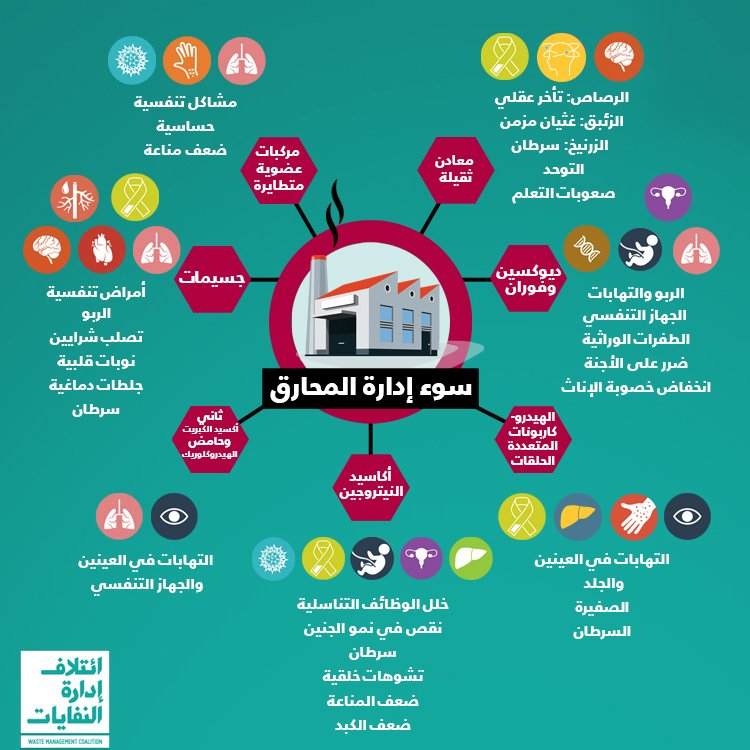
Poorly run incinerators: the pollutants and their health effects

Our positions

The coalition reviews draft laws, decrees and policies on waste, and speaks out publicly for sound waste management. Documents are in Arabic unless marked otherwise.

Press releases

2026

2025

2023

2021

2020

2019

2018

2017

Legal library

The laws, decrees and decisions on waste in Lebanon, as officially published (in Arabic). Where the coalition has published a position on a text, you’ll find a link to it. These copies are for reference; the Official Gazette is the authoritative source.

National strategy 1 text
Laws 9 texts
Decrees and implementing decisions 10 texts
Ministry of Environment decisions 16 texts
Ministry of Environment circulars 3 texts

Resources and references

Laws, policies and studies we rely on in our work.

Lebanese policy and law

Health and human rights

International guidance

Studies of the coalition’s work

Members

  • Operation Big Blue Association
  • Beirut Madinati
  • Cedar Environmental
  • Arab Youth Climate Movement
  • Green Area
  • Diaries of the Ocean
  • FrozChreek
  • Nidaa al-Ard
  • Environmentalists’ Gathering
  • Choueifat Madinatouna
  • Insan Forum
  • Popular Observatory to Fight Corruption
  • You Stink (Tol3et Rihetkom)
  • Our Children’s Health Is a Red Line

Join us

I would like to join the Waste Management Coalition and support it in pressing the relevant authorities to develop and implement a comprehensive, sustainable and environmentally sound waste management plan for Lebanon, in line with the coalition’s principles and goals.

Organizations, groups and individuals are welcome. Fill in the membership form, or email us your name or your group’s name and how you’d like to contribute.

Contact: [email protected]